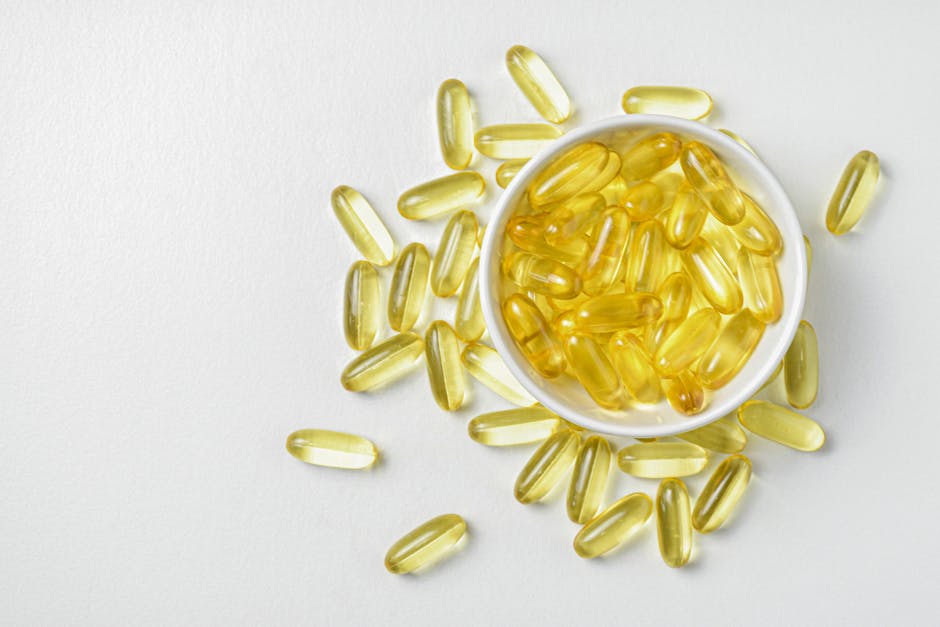
Omega-3 Fish Oil: Complete Buyer's Guide
Learn how to choose high-quality omega-3 fish oil supplements. We break down EPA vs DHA benefits, optimal dosing for heart and brain health, and what IFOS certification really means.
Get Weekly Health Tips
Evidence-based nutrition in your inbox
Why Your Body Needs Omega-3s
Think of omega-3s as essential oil for your body's engine. These fatty acids—specifically EPA and DHA—help your heart pump smoothly, your brain think clearly, and keep inflammation in check. The catch? Your body can't make them, and most of us don't eat enough fatty fish to get what we need.
According to the American Heart Association, eating fish twice a week gives you about 250mg of combined EPA and DHA daily—but research suggests many people benefit from higher amounts through supplements.
Understanding EPA vs. DHA: What's the Difference?
These two omega-3s work as a team, but they have different specialties:
EPA (the inflammation fighter)
- Helps reduce inflammation throughout your body
- Supports mood and emotional well-being
- Protects your heart and blood vessels
- Recent studies show high-dose EPA may reduce cardiovascular events
DHA (the brain and eye specialist)
- Makes up a significant part of your brain tissue
- Essential for eye health and vision
- Critical during pregnancy for baby's brain development
- Helps maintain cognitive function as you age
You'll find both in fish oil supplements, though some products emphasize one over the other depending on your health goals.
How Much Should You Take?
The right dose depends on why you're taking it:
For general health: 1,000-2,000mg of combined EPA+DHA daily. This is what most healthy adults need to maintain good levels.
For heart health or high triglycerides: Your doctor might recommend 2,000-4,000mg daily. Research shows this amount can lower triglycerides by about 15%.
During pregnancy: Add at least 200mg of DHA daily to support your baby's brain development.
Always check with your healthcare provider before starting high doses, especially if you're on blood thinners.
The Quality Checklist: What to Look For
1. Third-Party Testing (This is Non-Negotiable)
Look for the IFOS (International Fish Oil Standards) certification on the label. IFOS is the gold standard—they test every batch for:
- The amount of EPA and DHA (does it match the label?)
- Contaminants (mercury, PCBs, dioxins, heavy metals)
- Freshness (oxidation levels)
Unlike other certifications that just give a pass/fail, IFOS uses a 5-star rating system and publishes full test results online by lot number. USP Verified is another good certification to trust.
2. Check for Freshness
Fish oil goes rancid over time. Here's how to spot fresh supplements:
- No fishy smell when you open the bottle (a strong fish odor means it's oxidized)
- Recent manufacturing date (look for products made within the last 6-12 months)
- Low peroxide value if listed (under 5 mEq/kg is best)
- Stored properly (keep your bottle in the fridge after opening)
3. Understand the Forms
Fish oil comes in three main forms:
Triglyceride form (re-esterified) This is closest to how omega-3s naturally appear in fish. Your body absorbs it better, but it costs more. Look for "rTG" on the label.
Ethyl ester form The most common and affordable option. It's slightly less absorbable than triglyceride form, but still effective. Most studies use this form.
Phospholipid form (krill oil) From tiny shrimp-like creatures. You need smaller doses, and it's considered more sustainable. However, it's pricier per dose of EPA/DHA.
Our Top Picks (What We'd Actually Buy)
Nordic Naturals Ultimate Omega
We like this one for its triglyceride form, lemon taste that masks any fishiness, and consistent IFOS 5-star ratings. It's pricier, but quality is rock-solid.
Carlson Elite Omega-3
Great balance of quality and price. Award-winning formula with an excellent EPA to DHA ratio. Norwegian sourced and IFOS certified.
Sports Research Triple Strength
High potency option (1,250mg per softgel) with enteric coating to prevent fishy burps. Good for people who need higher doses without taking multiple pills.
Plant-Based Omega-3: The Algae Oil Alternative
If you're vegetarian, vegan, or allergic to fish, algae oil is your answer. It provides both DHA and EPA (though usually more DHA than EPA) without any sea creatures involved.
Bonus: Algae is actually where fish get their omega-3s in the first place—you're just cutting out the middle-fish!
The Bottom Line
Don't overthink it: Look for IFOS certification, check the EPA+DHA amounts (not just "fish oil"), and stick with reputable brands. A quality omega-3 supplement is one of the few supplements with solid research backing its benefits for heart and brain health.
Disclaimer: This content is for informational purposes only and is not medical advice. Consult with healthcare professionals before making any dietary changes or starting new supplements.
Get Weekly Health Tips
Evidence-based nutrition in your inbox